
April 17, 2026: Signs of a Bubble?
Let’s start with the obvious: it is nearly impossible to predict an asset bubble. If it were easy to predict, then there would be no bubble. Investors would recognize the bubble and take necessary steps to avoid the worst excesses.
This weekly edition of the newsletter is not predicting a an asset bubble. There are plenty of headlines predicting a bubble and social media likes to exaggerate the problems.
This newsletter is to provide some context to what you may be hearing about a stock market bubble.
AI Hype
This headline encapsulates the current sentiment around AI.

Yeah - a shoe company is pivoting to AI and the stock jumped by nearly 600% on the news. Allbirds is unprofitable so maybe the pivot makes sense? But it begs the question that the company knows what it’s doing with respect to AI.
AI investment drove nearly all GDP growth in the US economy in 2025. If AI investment slows down or fails to deliver on its promises - then the results could be disastrous.
Stock Prices
There is legitimate concern that stock prices are too high. There is a measurement called the CAPE: Cyclically-Adjusted Price-to-Earnings ratio. It measures the price of stocks compared to how much money those companies earn. The belief is that if stocks are too expensive compared to their earnings, that there is a bubble. Here is a chart of CAPE going back to the 19th century.
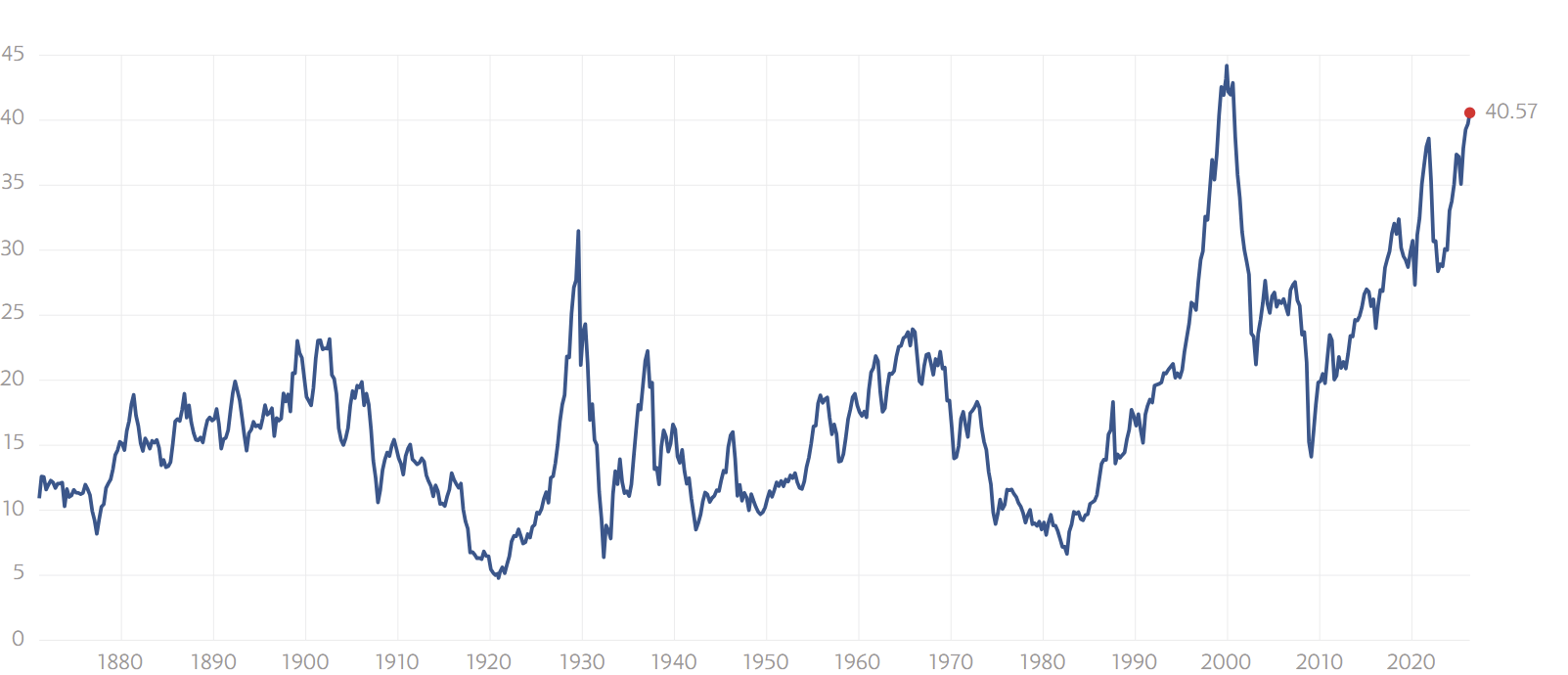
I have my own doubts about the validity of CAPE being able to tell us much about bubbles. You can see several notable spikes in CAPE followed by precipitous drops which indicate a drop in stock prices.
Inflation
The war in Iran has pushed energy prices significantly higher. Oil is an input into many, many products and services so higher prices will push inflation higher. The latest headline inflation reading came in at 3.3% which is still well above the 2% target.
Inflation isn’t necessarily a sign of an asset bubble. However, high inflation could do damage to the economy as purchasing power erodes and interest rates stay high to tamp down inflation.
Counterpoints
Look at all the all-time highs of the S&P 500 index. Sometimes a new high is set and it declines, but many other times the opposite is true - the stocks continue to set new highs. “Investing at all-time highs” sounds scary, but it may not tell us anything about a bubble.
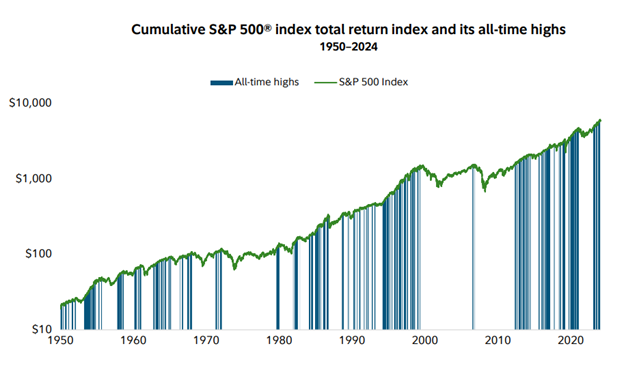
As always, the best strategy is to be diversified and to hold through volatility. Miss just a few days of the market and your returns can be slashed - even when taking volatility into account.
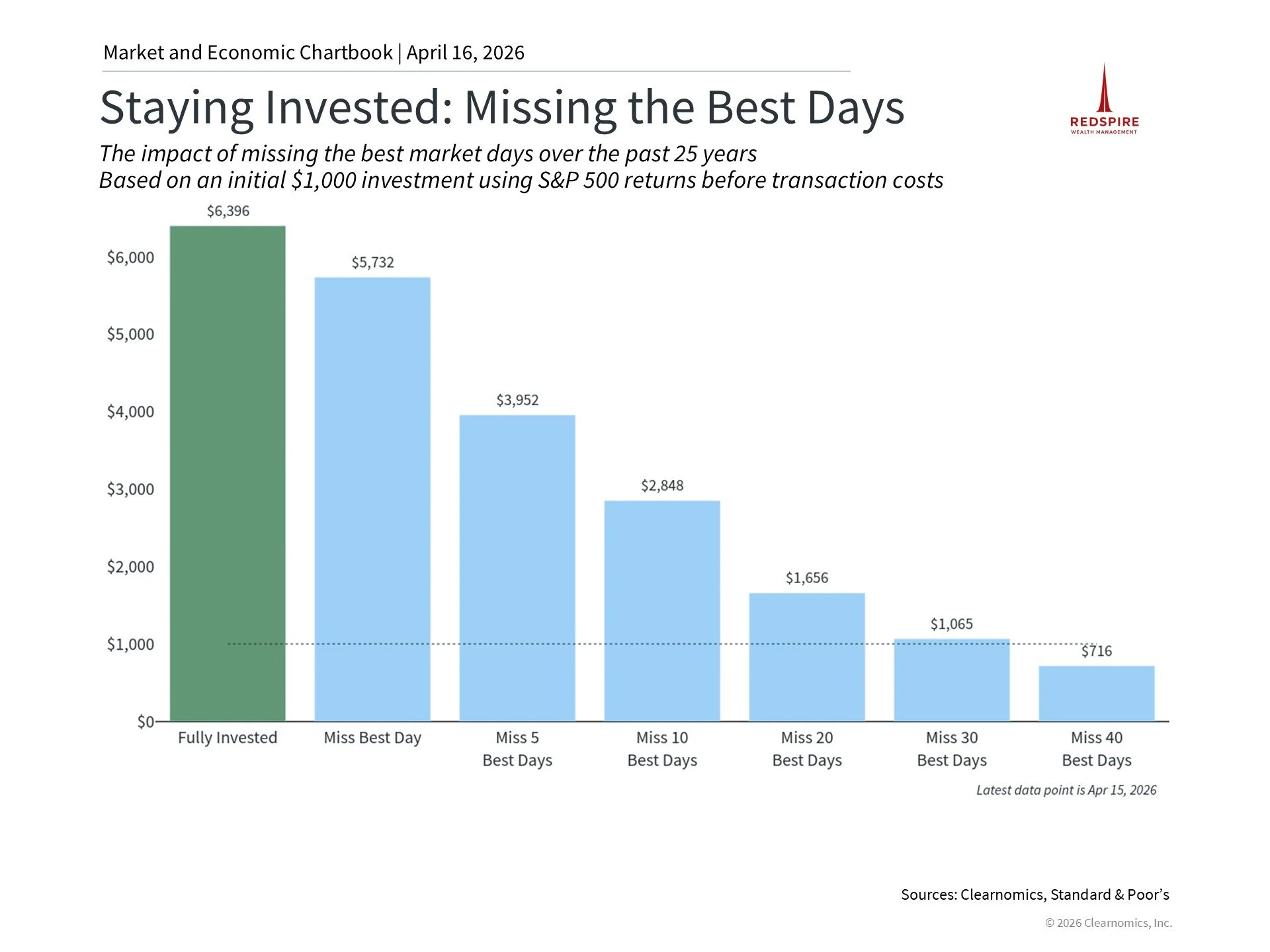
Is there a bubble? Maybe. If you believe so then there are things you can do: be diversified and hold through volatility if the bubble pops. You can’t control a bubble, but you can control your actions.